Major Depressive Disorder (MDD)
When Depression Isn’t Just Feeling Down
Major Depressive Disorder (MDD) is more than sadness or a rough season. It is a medical condition that affects how you think, feel, function, and relate to the world around you. Depression can quietly drain motivation, distort self‑worth, disrupt sleep and appetite, and make even simple tasks feel overwhelming. Many people with MDD continue to work, care for families, and meet obligations—while internally feeling exhausted, numb, or hopeless.
If you are experiencing persistent depression, loss of interest, or emotional heaviness that does not lift, you are not weak—and you are not alone. Major depressive disorder is one of the most treatable psychiatric conditions when approached thoughtfully and comprehensively.
Understanding Major Depressive Disorder
Major depressive disorder is diagnosed when depressive symptoms last at least two weeks and represent a clear change from your usual functioning. Unlike situational sadness, MDD does not reliably improve with rest, willpower, or positive thinking alone.
Depression often develops gradually. Many patients tell us they didn’t realize how depressed they were until they started to feel better with treatment. Others have lived with low mood for years and assumed it was simply part of who they are.
Depression can be:
Single‑episode or recurrent
Mild, moderate, or severe
Accompanied by anxiety, irritability, or emotional numbness
Associated with burnout, trauma, or chronic stress
Common Symptoms of Major Depressive Disorder
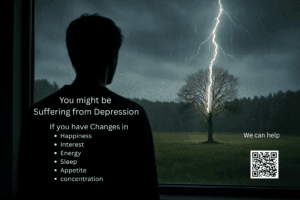
Symptoms of MDD can look different from person to person. You may experience some or many of the following:
Persistent low mood or emotional emptiness
Loss of interest or pleasure in activities you once enjoyed
Fatigue or low energy nearly every day
Difficulty concentrating, remembering, or making decisions
Sleep disturbances (insomnia or excessive sleeping)
Changes in appetite or weight
Feelings of worthlessness, guilt, or excessive self‑criticism
Slowed thinking or physical movements
Thoughts of death or passive thoughts of not wanting to exist
Notably, depression does not always look like sadness. For many high‑functioning adults, it presents as irritability, burnout, chronic exhaustion, or emotional detachment.
Causes and Risk Factors
Major depressive disorder rarely has a single cause. It typically develops through a combination of biological, psychological, and environmental factors.
Common contributors include:
Brain chemistry and neurotransmitter regulation
Genetic vulnerability or family history of depression
Chronic stress, burnout, or caregiver fatigue
Trauma or unresolved grief
Medical conditions or hormonal changes
Substance use or certain medications
Understanding why depression developed is important—but effective treatment focuses on restoring function, resilience, and quality of life.
How Major Depressive Disorder Is Diagnosed
A diagnosis of MDD is made through a comprehensive psychiatric evaluation—not a single questionnaire or lab test.
At Valiant Mental Health, diagnosis includes:
A detailed clinical interview
Review of current symptoms and duration
Assessment of sleep, energy, cognition, and daily functioning
Screening for anxiety, trauma, ADHD, bipolar spectrum conditions, and medical contributors
Discussion of past treatments and responses
Accurate diagnosis is essential. Many individuals treated unsuccessfully for depression later discover that untreated anxiety, trauma, or bipolar features were contributing factors.
Evidence‑Based Treatment Options for Major Depressive Disorder
Medication Management
Medication can be a powerful tool in treating depression—particularly moderate to severe or recurrent MDD.
Rather than focusing on a single medication, effective treatment involves selecting from medication classes based on your symptoms, history, and goals:
SSRIs and SNRIs for mood regulation and anxiety overlap
Atypical antidepressants for energy, motivation, or sexual side‑effect concerns
Augmentation strategies when depression is only partially responsive
Sleep‑supportive medications when insomnia worsens mood
Medication management is not about numbing emotions—it is about restoring balance so therapy, lifestyle changes, and personal growth can actually work.
Therapy and Combined Treatment
For many people, the most effective treatment for depression is medication combined with therapy.
Therapy can help you:
Identify depressive thinking patterns
Process trauma or grief
Rebuild motivation and purpose
Develop coping strategies for relapse prevention
Medication helps create the mental and emotional bandwidth needed to engage fully in therapy. If your interested in therapy, click here.
How Medication Management Helps With Depression
High‑quality medication management goes far beyond writing a prescription.
At Valiant Mental Health, medication management for depression includes:
Careful medication selection and dosing
Ongoing monitoring for effectiveness and side effects
Adjustments based on real‑world functioning—not just symptom checklists
Coordination with therapy when appropriate
Long‑term planning for maintenance or tapering
Our goal is not just symptom reduction—but sustained recovery and resilience.
Telepsychiatry for Major Depressive Disorder
Depression can make attending in‑person appointments difficult. Telepsychiatry allows you to receive high‑quality psychiatric care from the privacy of your home.
Telehealth appointments are effective for:
Initial depression evaluations
Medication management and follow‑ups
Ongoing treatment for stable or chronic depression
Valiant Mental Health provides telepsychiatry services across multiple states, making consistent care more accessible—especially for working professionals and individuals in rural areas. To look into Telepsychiatry, click here.
How Valiant Mental Health Supports You
At Valiant Mental Health, we understand that depression is personal—and treatment should be, too.
You receive:
Care from a licensed psychiatric nurse practitioner
Thoughtful, evidence‑based medication management
Clear communication and collaborative decision‑making
Telehealth options designed around your life
If depression has been holding you back, effective help is available. You do not have to keep pushing through alone.
How Valiant Mental Health Helps Treat MDD
If you’re struggling with MDD, you don’t have to figure out the next steps on your own. At Valiant Mental Health, we take a practical, evidence-based approach to care—focused on helping you feel better and function better over time.
Your care plan is individualized and may include one or more of the following:
Medication Management
When appropriate, medication can play an important role in treating MDD. We focus on careful evaluation, thoughtful medication selection, and ongoing monitoring to balance symptom relief with side effects. Medication decisions are collaborative and adjusted based on how you respond—not a one-size-fits-all approach.
👉 Learn more about our Medication Management
Therapy
Many people benefit from therapy alongside or instead of medication. Evidence-based therapies—such as cognitive behavioral therapy (CBT) and related approaches—can help you develop skills to manage symptoms, reduce distress, and improve daily functioning. We work with you to determine whether therapy, medication, or a combination is the best fit.
👉 Learn more about our Therapy Services
Telepsychiatry
Care should be accessible. We offer secure telepsychiatry appointments so you can receive high-quality psychiatric care from the comfort of your home. Telepsychiatry allows for flexible scheduling and continuity of care without sacrificing clinical quality.
👉 Learn more about Telepsychiatry
Whether you’re newly seeking help or looking for a better treatment approach, our goal is to support you with clear guidance, professional expertise, and compassionate care—every step of the way.
Frequently Asked Questions
Major Depressive Disorder (MDD)
Q: What are the common symptoms of major depressive disorder?
A: Symptoms include persistent low mood, loss of interest in activities, fatigue, changes in sleep or appetite, difficulty concentrating, feelings of worthlessness, and, in some cases, thoughts of death. Symptoms vary by person.
Q: How is major depressive disorder diagnosed?
A: A diagnosis is made through a comprehensive psychiatric evaluation that reviews symptom duration, severity, functional impact, and co-occurring conditions like anxiety or bipolar disorder.
Q: Can depression be treated effectively?
A: Yes. Evidence-based treatment usually combines medication management, such as SSRIs or SNRIs, with therapy to address thinking patterns, coping skills, and daily functioning. Telepsychiatry allows convenient access to care.
Ready to Begin?
👉 Request an Appointment »
👉 Learn More About Medication Management »
👉 Explore How Telehealth Works »
You don’t have to leave home to start feeling better. Let’s take that first step together.
This page is intended for educational purposes and does not replace a professional psychiatric evaluation.