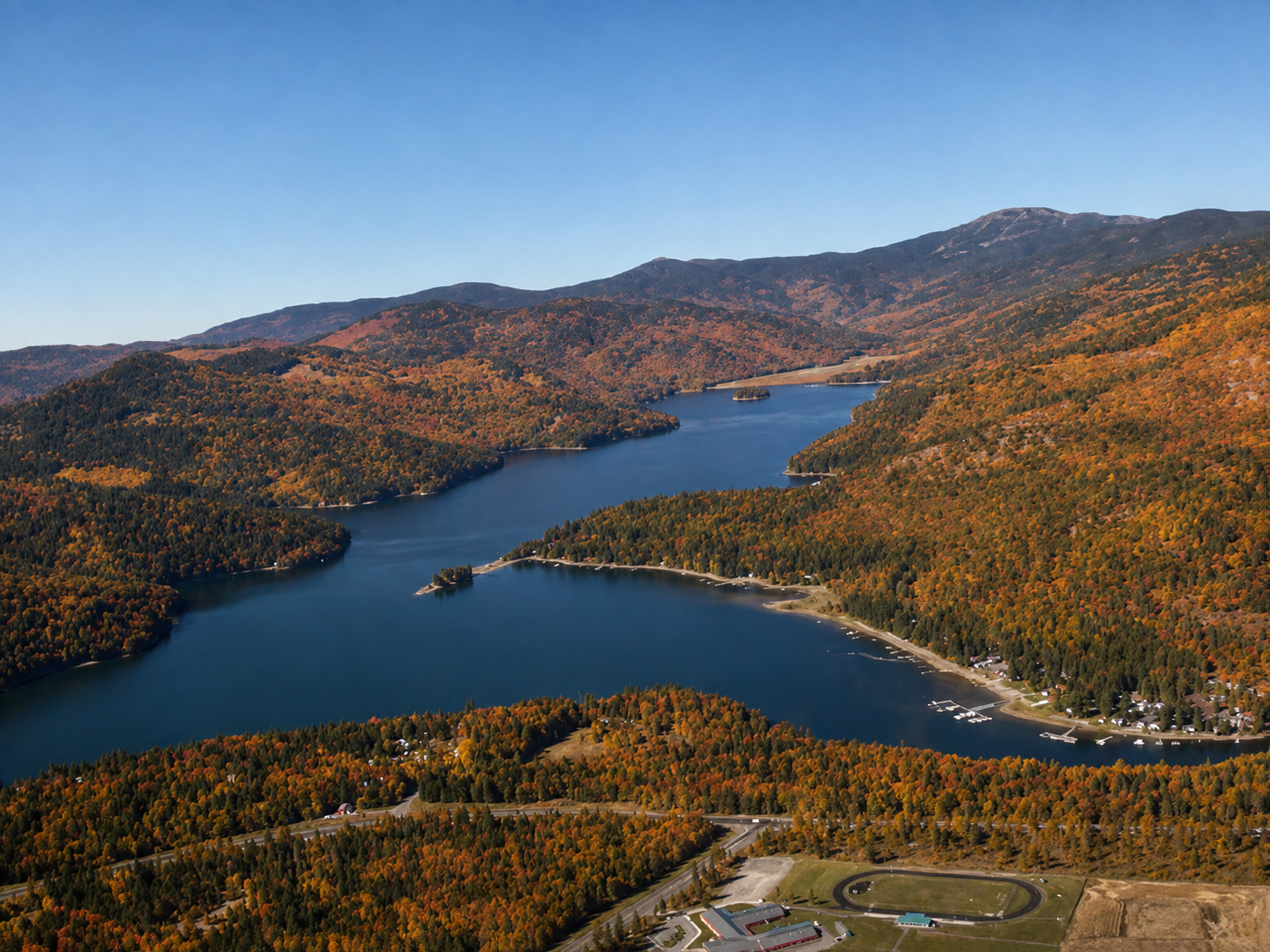
Living surrounded by the dense woods that make Spirit Lake so peaceful also means living with real wildfire risk every summer. This year, that risk became concrete: Avista Utilities announced planned power shutoffs affecting tens of thousands of North Idaho customers, a precaution against dry conditions and high winds sparking a fire. For many Spirit Lake residents, the shutoffs themselves, and the underlying risk they represent, have become a real source of ongoing stress.
At Valiant Mental Health, we hear from North Idaho residents each fire season who are managing a low hum of anxiety that never fully goes away between May and October, and for some, it’s become more than just seasonal worry.
Why This Is Different From Everyday Stress
A planned power outage is a manageable inconvenience for most people. But layered on top of wildfire smoke, evacuation uncertainty, and the knowledge that dense forest surrounds your home, it can become a chronic, low-grade anxiety that’s hard to switch off, even when nothing is actively wrong.
What Generalized Anxiety Disorder Actually Looks Like
Per the DSM-5, Generalized Anxiety Disorder (GAD) involves excessive anxiety and worry about a number of events or activities, occurring more days than not for at least six months, and difficult to control. Common signs include:
- Persistent worry that feels disproportionate to the actual, immediate risk
- Restlessness or feeling on edge
- Difficulty concentrating, or your mind going blank
- Muscle tension
- Sleep disturbance — trouble falling asleep, staying asleep, or restless sleep
- Fatigue, despite the worry itself feeling like it takes no physical effort
Seasonal, situational anxiety, like heightened worry specifically during fire season, can still meet criteria for GAD when it’s persistent, difficult to control, and interferes with daily functioning during that period.
Why It’s Often Dismissed
1. “Everyone Around Here Worries About Fire Season”
When wildfire anxiety is common in the community, it’s easy to write off your own experience as simply normal, even when it’s more intense or persistent than what others around you are managing.
2. The Risk Is Real, So the Worry Feels Justified
Unlike some anxiety triggers, wildfire risk is genuinely present, which can make it harder to recognize when worry has become disproportionate to the actual, current threat.
3. It Fades Each Fall, So It’s Easy to Ignore
Because the acute stress lifts when the season changes, many people never address the pattern, only to find it returns, sometimes more intensely, the following summer.
Treatment That Works
Generalized Anxiety Disorder responds well to treatment, and effective care often combines more than one approach.
Cognitive Behavioral Therapy
CBT helps identify and reframe worry patterns, build tolerance for uncertainty, and develop concrete coping strategies for high-risk periods like fire season. Learn more about our counseling and therapy services.
Medication Management
For more persistent or severe anxiety, medication can help stabilize symptoms, particularly during the months when situational stress is highest. Learn more about our approach to medication management.
Telepsychiatry for Spirit Lake and North Idaho
Our telepsychiatry services let Spirit Lake residents get evaluation and ongoing care from home, which matters when road access or power outages make travel to an appointment harder during high-risk periods.
When Is It Time to Reach Out?
Consider reaching out if:
- Worry about wildfire risk is present most days during fire season, not just on high-alert days
- Sleep, concentration, or daily functioning is affected
- The anxiety doesn’t fully ease even when conditions are calm
- This pattern has repeated for more than one fire season
Why Choose Valiant Mental Health
- Evidence-based, individualized treatment for situational and generalized anxiety
- Understanding of the specific stressors facing rural North Idaho communities
- Convenient telepsychiatry for Spirit Lake and the surrounding area
- A collaborative approach — you’re part of every decision
Learn more about our team here.
Frequently Asked Questions
Isn’t it reasonable to worry about wildfire risk where I live?
Some awareness and preparedness is healthy and reasonable. GAD is distinguished by worry that’s persistent, hard to control, and interferes with daily life, well beyond practical precaution.
Does this go away once fire season ends?
For some people, yes. For others, the pattern returns each year, and can worsen over time without treatment. Addressing it directly tends to produce more lasting relief than waiting for the season to pass.
Do I need medication?
Not necessarily. Many people manage seasonal anxiety well with therapy alone. Medication becomes appropriate when symptoms are more severe or persistent.
Do you accept insurance?
Learn more on our insurance page.
Take the First Step
Living with wildfire risk is part of life in North Idaho. Living with unmanaged anxiety about it doesn’t have to be.
Schedule an appointment today and find some steadiness, no matter the season.